
How SEO Optimization Drives Your Website Traffic?
In the crowded digital landscape, visibility is crucial to the success of any website. Wondering why some websites consistently top Google search results while others are virtually invisible? Often, the answer lies in a strategic, effective SEO optimization approach. When executed well, SEO optimization can become a digital translator, helping search engines interpret a website’s content, making it accessible and valuable to a broader audience. However, many websites miss out on this potential due to common SEO missteps.
What Is SEO Optimization?
SEO optimization goes beyond simply adding keywords. It’s a comprehensive process designed to make a website not only user-friendly but also search-engine-friendly, enabling it to be easily crawled and indexed by search engines like Google. With strategic SEO in place, websites become more visible, accessible, and aligned with what users want. At its core, SEO optimization aims to bridge the gap between web design, user intent, and search engine expectations, building a solid foundation for digital success.
How Does SEO Optimization Impact Search Engine Rankings?
When a website is SEO-optimized, it aligns with how search engines prioritize and rank content. Google, for instance, ranks websites based on relevance, user satisfaction, and accessibility. Let’s explore how specific aspects of SEO optimization influence search engine rankings and enhance user experience.
Human Experience: The Role of Web Design in SEO
A seamless web design is essential for SEO optimization. Studies show that design elements influence 95% of visitor impressions.
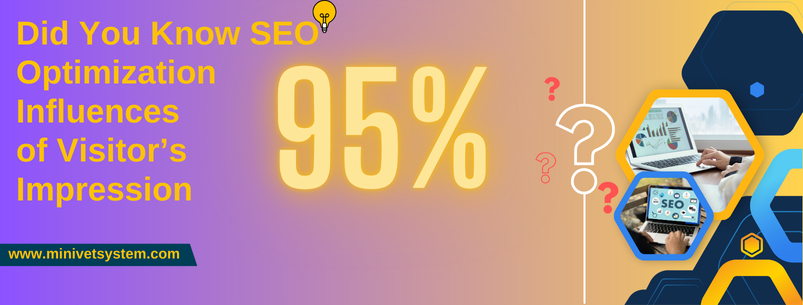
Websites with easy navigation, a clean layout, and responsive elements engage users more effectively, leading to longer site visits and higher rankings. Poor design, on the other hand, frustrates users and increases bounce rates, signaling to search engines that the site may lack valuable content.
Navigation and SEO:
Effective navigation is critical for both user experience and search engine crawling. Confusing, overly complex, or broken navigation structures prevent search engines from properly indexing a site. Clear navigation pathways ensure that search engines can access and understand all relevant content, which positively impacts search engine visibility. An outdated design with broken links or overly deep navigation structures can lead to “404 Not Found” errors, which detract from SEO performance.
Performance: The Impact of Page Speed
Web design elements directly impact site performance, especially page load times. Sites with large, unoptimized images or excessive scripts often load slowly, leading to high bounce rates. Search engines prioritize fast-loading sites, so optimizing design elements for speed enhances both user experience and search engine rankings. For example, compressing images and minimizing code helps ensure that a site loads quickly, reducing bounce rates and contributing to better SEO.
Indexability: Enhancing Search Visibility
SEO-optimized design aids in increasing a site’s indexability. When a site has a logical structure and clear organization, search engine bots can crawl and understand its content more effectively. A sitemap, straightforward URLs, and crawlable content make it easier for search engines to index pages, improving organic visibility. Without proper indexability, even the best content can remain unseen by potential visitors, limiting a site’s reach.
Custom Imagery and SEO
While custom images enhance visual appeal, they can hinder SEO if not optimized. Large, high-resolution images or interactive elements can slow page load times, negatively impacting SEO. Additionally, images without alt text limit search engines’ ability to understand visual content. Optimizing images for SEO by using descriptive alt text and compressing file sizes enhances both the user experience and search engine rankings.
Readability: Simplifying Content for Users and Search Engines
Readability is a key factor in SEO as it directly impacts user experience. Content that is easy to read and understand leads to longer site visits and lower bounce rates. Websites with dense text, small fonts, or complex language deter users, signaling to search engines that the content may not meet user needs. When content is structured with headings, short paragraphs, and clear language, it boosts both readability and SEO.
Dwell Time: Why It Matters for SEO
Dwell time, or the amount of time a visitor spends on a page before returning to search results, is a crucial SEO metric. Engaging, valuable content encourages users to stay longer, signaling to search engines that the page provides relevant information. In contrast, unengaging or slow-loading pages often have short dwell times, which can negatively impact SEO performance. Interactive content, such as videos or quizzes, can also help increase dwell time and boost SEO.
SEO Optimization Best Practices
An SEO-optimized website integrates best practices that ensure it is fully accessible and meets search engine requirements. Here’s how to optimize your site effectively:
Crawlable Content
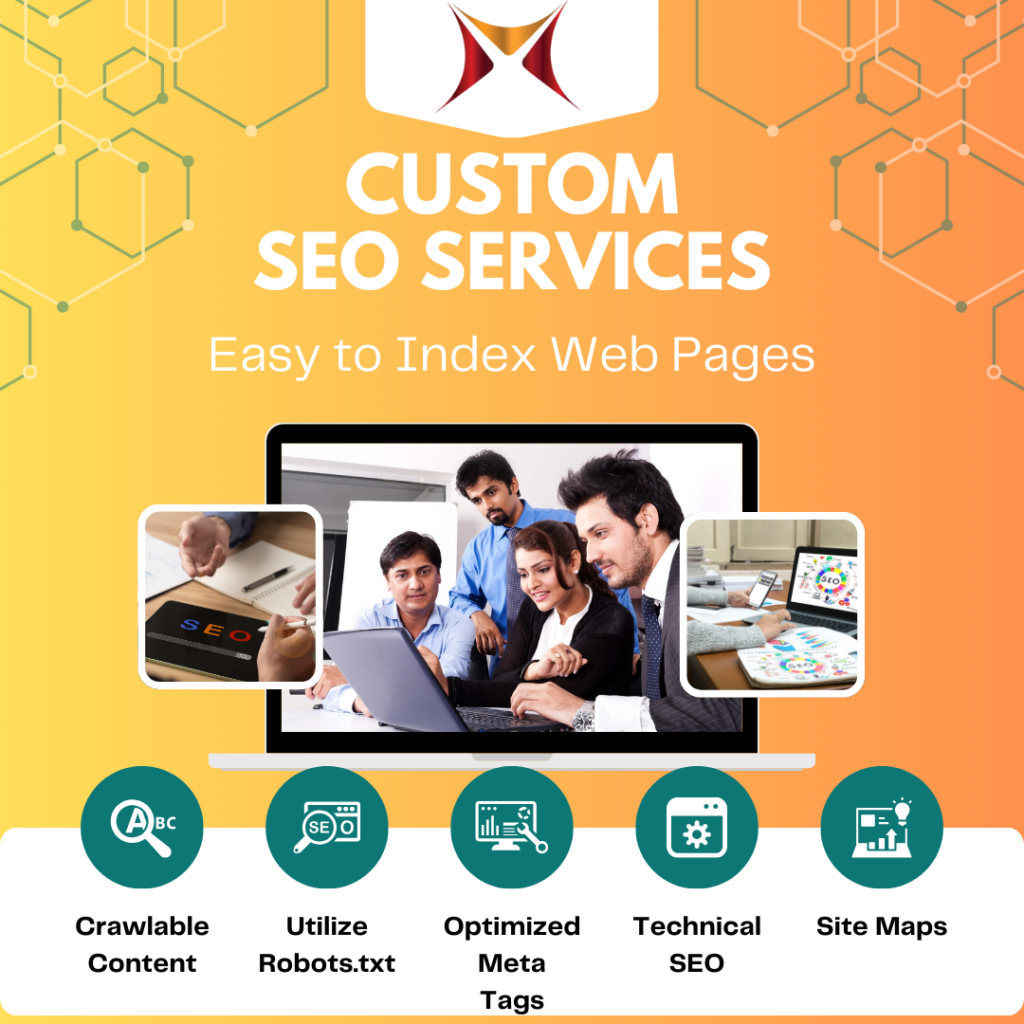
Using HTML for text, rather than embedding content in images or JavaScript, ensures that search engines can read and index it easily. Configuring a robots.txt file can guide search engines on which parts of your site to prioritize for crawling, improving the overall indexing process.
Optimized Meta Tags
Meta tags, including titles and descriptions, help search engines understand page content. Descriptive and relevant meta tags improve indexing accuracy and can increase a site’s relevance in search results.
Sitemaps
XML sitemaps allow search engines to discover new or updated pages, while HTML sitemaps help users navigate the site. Together, they enhance indexability and user experience, ultimately improving SEO performance.
Why Responsive Design Matters in SEO Optimization
A site that does not adapt to different devices risks losing mobile traffic, which now accounts for over half of all web traffic. Responsive design ensures a smooth user experience across devices, which search engines favor in rankings. Non-responsive sites with horizontal scrolling, zooming requirements, or touch-interaction issues often suffer from high bounce rates on mobile devices.
Page Load Speed for Mobile Optimization
Fast page load speed is especially critical for mobile users. If a site takes too long to load on mobile, users may leave before the page even loads, affecting both user experience and SEO performance.
Optimizing Interactive Elements for Touchscreens
Many users access websites via touchscreen devices, so interactive elements need to be appropriately sized and spaced. Ensuring that buttons and links are easily tappable enhances user experience, which can also boost SEO.
Readable Text and Clear Navigation Paths
Readable text and clear navigation paths are essential for user engagement. A well-structured site with accessible content and intuitive navigation not only improves the user experience but also aids search engines in indexing important content.
Hierarchical Structure and Link Distribution
A hierarchical structure with categories and subcategories helps search engines understand the relevance of different pages. Proper internal linking from high-level pages to specific articles improves indexability, which positively impacts SEO.
Effective Use of Anchor Text
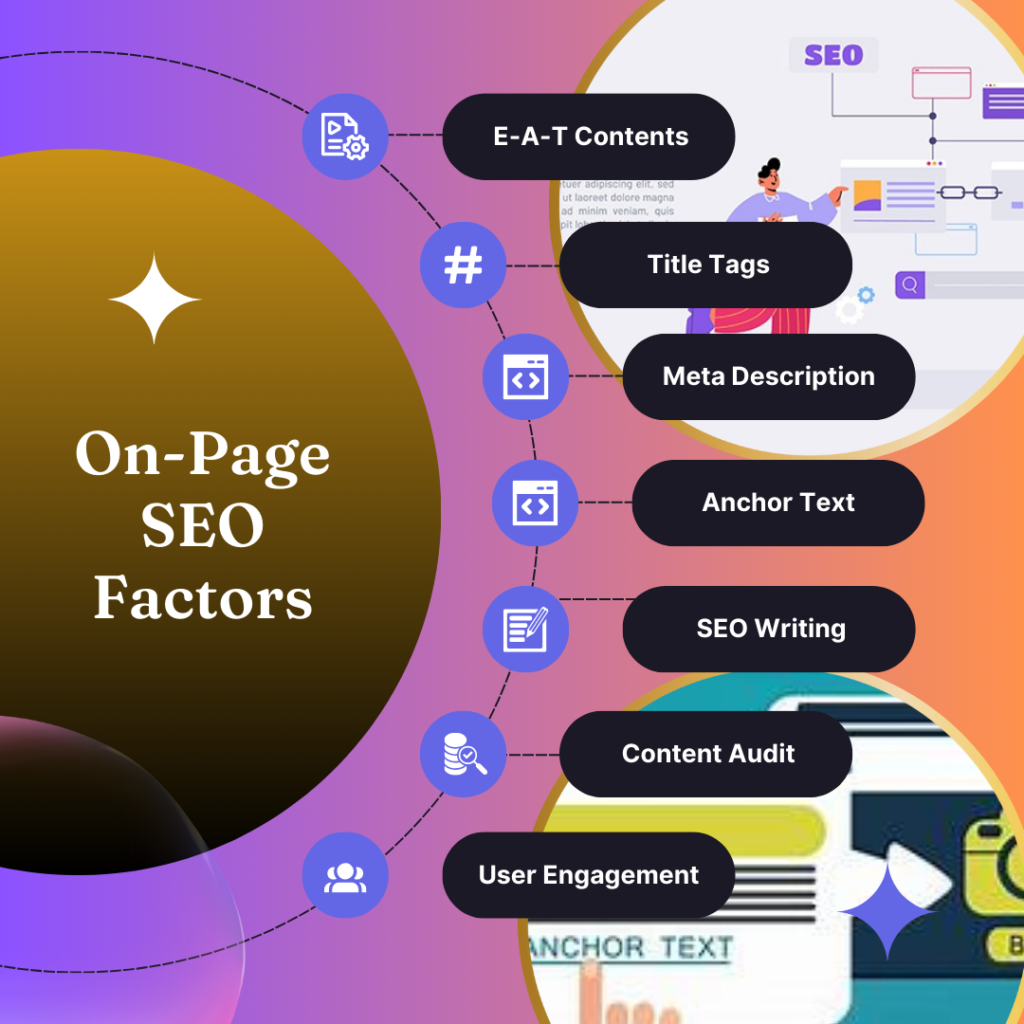
Descriptive, keyword-rich anchor text provides search engines with context about linked content, improving SEO performance. Generic anchor text, like “click here,” should be replaced with text that accurately reflects the content it links to, adding SEO value.
SEO and the User Experience
SEO-optimized web design improves both the user experience and search engine rankings, creating a positive feedback loop that benefits both users and search engines. Websites with user-centered design and SEO optimization drive engagement, lower bounce rates, and lead to higher conversion rates.
OFF – Page SEO Optimization:
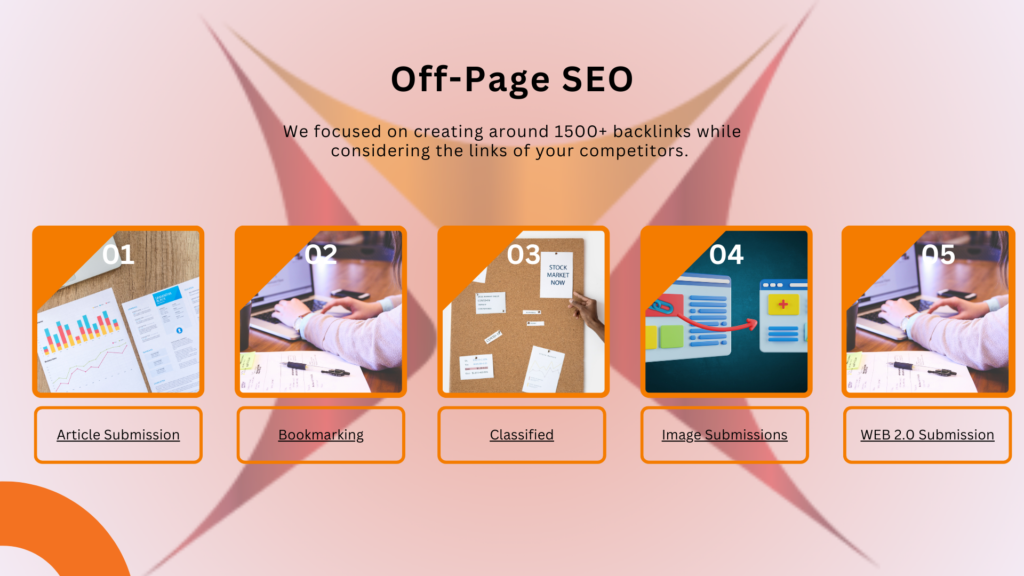
At Minivet, we specialize in off-page SEO techniques to enhance your online presence and boost your search engine rankings. Our comprehensive strategies include article submissions that showcase your expertise, bookmarking to increase visibility and drive traffic, classified ads to reach targeted audiences, image submissions to enhance brand awareness, and Web 2.0 submissions for building quality backlinks. By leveraging these methods, we ensure effective SEO optimization, creating a strong online reputation and fostering organic growth for your business. Trust Minivet to elevate your digital marketing efforts and achieve lasting results!
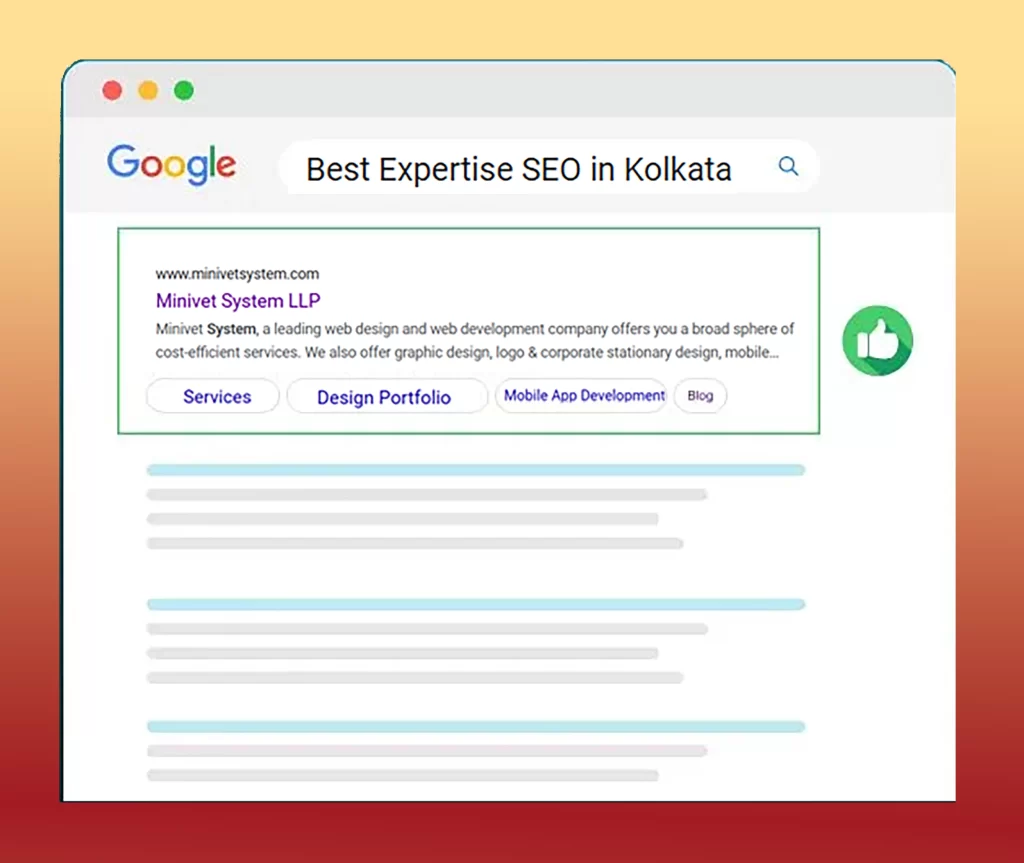
Why Choose Minivet System as the Best Expertise SEO in Kolkata?
For those seeking expert SEO solutions in Kolkata, Minivet System stands out by providing fully optimized, accessible websites that meet SEO standards. By focusing on enhanced user experience, site speed, mobile responsiveness, and structured content, Minivet System helps businesses achieve higher search rankings and attract more organic traffic. Partner with Minivet System for a seamless blend of user-focused design and technical SEO expertise, setting your site on a path to increased visibility and business growth.
FAQs:
How does SEO optimization affect user experience?
- SEO optimization enhances user experience by improving site design, navigation, and accessibility, which leads to lower bounce rates and higher engagement.
What role does responsive design play in SEO?
- Responsive design ensures that websites adapt to different screen sizes, improving the user experience across devices and positively influencing search engine rankings.
Why is page load speed important for SEO?
- Fast page load speed reduces bounce rates and improves user experience, both of which are key factors in search engine rankings.
What are meta tags, and why are they essential?
- Meta tags provide search engines with a brief summary of a page’s content, helping improve indexing accuracy and relevance in search results.
How do images impact SEO?
- Optimized images with descriptive alt text enhance both user experience and search engine visibility, as they improve page load speed and accessibility.
What is dwell time, and why is it significant for SEO?
- Dwell time measures how long a user stays on a page. Higher dwell times indicate valuable content, which positively impacts SEO.
Inbound and Outbound Link Suggestions
- Inbound Link: Consider linking to related articles on the Minivet System blog for a comprehensive SEO resource.
- Outbound Link: Link to Google’s Webmaster Guidelines to provide readers with additional insights into best practices for SEO.
Get LIFETIME ACCESS to “My Private Prompt Library”: https://www.design.minivetsystem.com/https://www.design.minivetsystem.com/